The governor of the Central Bank of Nigeria, Olayemi Cardoso, has reaffirmed that macroeconomic stability in Nigeria is a shared responsibility requiring strong collaboration between fiscal authorities, banks, and the private sector. He made this known at the 2026 Monetary Policy Forum held in Abuja, where policymakers and financial stakeholders discussed recent reforms and the outlook for Nigeria’s economy.
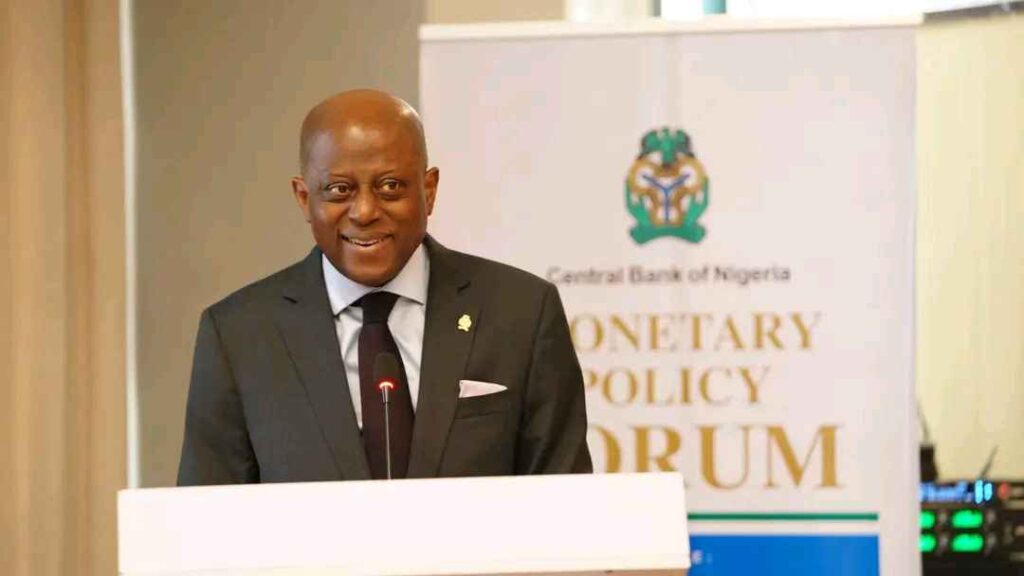
Cardoso emphasized that coordinated efforts between monetary and fiscal authorities have begun to yield results. According to him, tighter monetary policy, foreign exchange reforms, and improved fiscal discipline are gradually restoring stability. He noted that collaboration remains essential for sustaining progress and ensuring that reforms translate into long-term economic growth. The governor described the current phase as a turning point for the Nigerian economy.
One of the major highlights from the forum was the progress made in the banking sector recapitalisation programme. Cardoso disclosed that 32 banks have already met the new recapitalisation requirement ahead of the March 31 deadline. This development, he said, demonstrates strong investor confidence and reinforces the resilience of the financial system. He added that a well-capitalised banking sector is crucial for supporting credit expansion and economic development.
Related Content


The CBN governor also pointed to signs of easing inflationary pressure. According to him, inflation is trending downward, reflecting disciplined and data-driven monetary policy decisions. He explained that maintaining price stability remains a top priority for the apex bank. By tightening liquidity conditions and strengthening policy credibility, the CBN aims to sustain the downward trend and protect purchasing power.
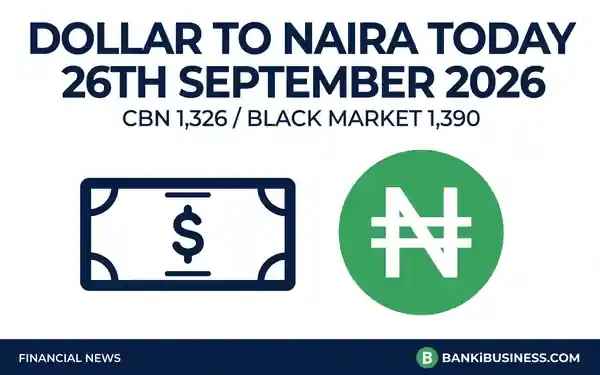
On the foreign exchange market, Cardoso noted that confidence is gradually improving. He revealed that verified FX backlogs have been cleared, while the premium between the official and parallel market has narrowed to below two percent. This development, he said, signals improved transparency and efficiency in the foreign exchange system. He added that continued reforms are expected to further stabilise the naira and encourage foreign investment.
Diaspora remittances also featured prominently in Cardoso’s remarks. He disclosed that monthly inflows have increased from $200 million to $600 million, with a target of reaching $1 billion by the end of 2026. According to him, improved foreign exchange policies and stronger confidence in the financial system are contributing to the growth. He described remittances as a critical source of foreign exchange that supports economic stability.
Another key indicator highlighted at the forum was the sharp decline in Ways and Means advances. Cardoso stated that the figure dropped from ₦26.95 trillion in 2023 to ₦2.84 trillion in 2026. He explained that the reduction reflects improved fiscal discipline and better coordination between monetary and fiscal authorities. Lower reliance on central bank financing, he added, strengthens macroeconomic stability and reduces inflationary pressure.
Cardoso concluded that Nigeria has begun to turn a corner through a combination of tighter monetary policy, FX reforms, banking sector recapitalisation, and improved fiscal coordination. However, he maintained a cautious optimism, noting that sustained efforts are required to consolidate gains. He emphasized that collaboration among policymakers and stakeholders remains essential to maintaining stability and driving growth.
Also speaking at the forum, Wale Edun commended the strong fiscal-monetary policy coordination among stakeholders. He noted that cooperation between government agencies and the Central Bank has contributed to improved economic indicators. Edun expressed confidence that continued alignment of policies would support long-term growth and strengthen investor confidence in Nigeria’s economy.